Corridor Execution
Logistics and Transport Governance for Border-Sensitive Flows
Route design, documentary control and operating discipline where customs, carrier execution and cross-border timing must stay aligned.
Why logistics governance belongs on an advisory surface
The physical movement is often where earlier customs, origin, documentation or corridor design weaknesses finally become visible.
CSA Nexus addresses logistics in that operating sense. The issue is rarely transport in isolation. It is whether Incoterms, customs instructions, route assumptions, documentary packs and release ownership remain coherent once the shipment hits a real border sequence. When those pieces drift apart, the business sees repeated exception handling, carrier friction, supplementary requests and corridors that remain technically open but operationally unstable.
The work therefore focuses on the execution model: who prepares which data, how broker and forwarder instructions are controlled, when corridor-specific evidence needs to be refreshed, and how escalation happens when the movement no longer matches the intended route logic.
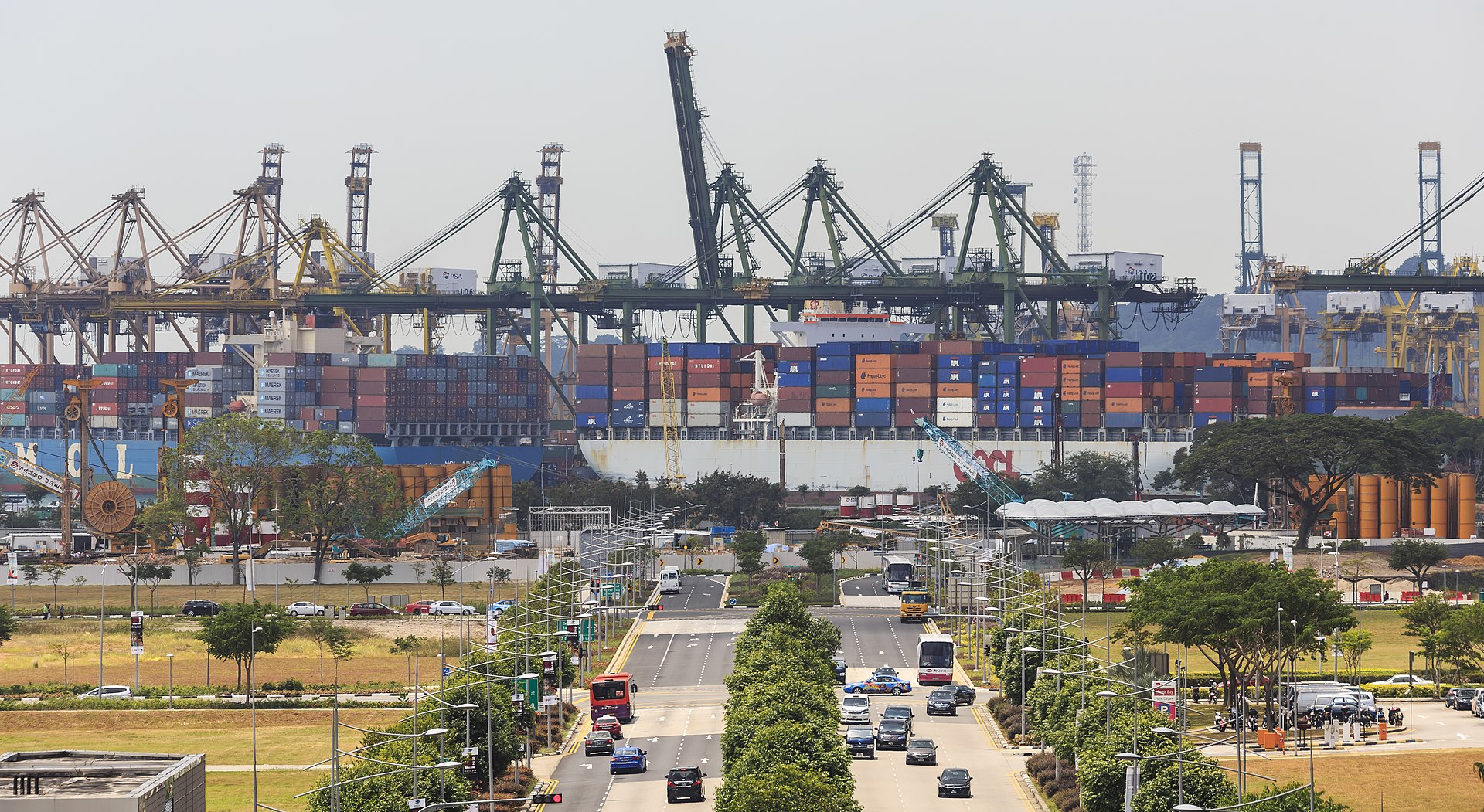
Corridor pressure exposes weak instructions very quickly.
What looks manageable in a standard lane becomes unstable once broker instructions, documentary packs and route assumptions start diverging under dispatch pressure.
Core operating lenses
The purpose is to make border-facing execution more predictable, not to decorate the site with generic logistics language.
Route and corridor logic
Review of route assumptions, carrier dependencies, gateway choices and border-facing obligations so the movement is designed for the actual corridor rather than an inherited routine.
Documentary integrity
Control of invoices, packing lists, origin evidence, broker instructions and supplementary documentation where small inconsistencies repeatedly trigger delay or rework.
Escalation under pressure
Clear paths for what can proceed, what requires review and what needs senior intervention when data quality, route conditions or border events change too late in the cycle.
Operational implications
When logistics governance is weak, the business tends to experience the same pattern repeatedly: the file looks acceptable until the movement leaves the standard path, then teams discover that nobody owns the updated instruction set, documentary evidence is incomplete, or a corridor-specific rule has been applied inconsistently. The result is avoidable stop-start behaviour rather than a genuinely resilient lane.
Our role is to make the lane more legible. That can include clearer broker playbooks, better pre-dispatch checkpoints, role allocation across the shipment chain and stronger visibility on which recurring defects are actually driving border friction.
Why this connects to customs and controls
Transport and customs cannot be separated cleanly once the route is stressed. UK-EU corridor issues, special procedure assumptions, controlled goods, origin-sensitive claims or time-critical aerospace movements all depend on the logistics layer behaving consistently with the regulatory model behind it.
That is why the service is presented here as part of the wider governance surface. It helps clients reduce avoidable border noise while preserving the evidence chain needed when customs, internal audit or management later asks how the movement was actually controlled.
Corridor governance matrix
The service is now framed more explicitly around where route design, documentary order and escalation logic usually fail once a lane moves beyond routine execution.
| Corridor stage | Typical weakness | What the mandate improves |
|---|---|---|
| Pre-dispatch design | Incoterms, route assumptions, carrier dependencies and customs responsibilities are inherited from past practice without testing whether they still fit the lane. | We make the movement logic more explicit before dispatch, reducing the number of border-facing assumptions that only fail once the shipment is already moving. |
| Document package readiness | Invoices, packing data, origin support, broker instructions and supplementary documents are assembled by different actors with no clear owner for consistency. | The mandate introduces clearer ownership, better hand-offs and a more stable documentary pack for routine and exception cases alike. |
| Exception handling under pressure | When a lane changes, a vehicle is held or a document proves weak, there is no visible rule for who can decide, pause or escalate. | We define a more legible exception model so time pressure does not collapse into reactive email traffic and repeated confusion. |
| Recurring lane review | Recurring defects stay buried in case-by-case work, so the same border friction becomes a structural cost rather than a visible operating pattern. | The service helps clients see where corridor friction is systemic, which is where the economic benefit of redesign usually becomes clearer. |
Typical outputs
Cleaner operating instructions, better exception handling, more disciplined broker coordination and a clearer distinction between routine execution and escalated cases.
Why it matters commercially
Repeated logistics friction quietly damages margins, client confidence and management attention long before it becomes a formal customs dispute.
Where it scales
The same design logic helps with corridor remediation, special procedures, AOG movements, project cargo interfaces and routes where documentary burden is structurally high.
Need to stabilise a corridor, route design or border-facing operating model?
We help define the control points between operations, customs, brokers and external logistics actors before recurring friction becomes a structural cost.